
Introduction
Electric actuators are important components in modern industrial automation because they convert electrical energy into controlled mechanical movement. They are commonly used for opening and closing valves, positioning dampers, moving machine components, and controlling automated equipment. As industries increasingly adopt automation, accurate and dependable motion-control equipment has become important across manufacturing, water treatment, power generation, oil and gas, chemical processing, HVAC, and other sectors. The Indian market includes domestic manufacturers, international companies with Indian operations, and specialized suppliers offering different types of electric actuation solutions. Industry directories currently list numerous Indian suppliers and manufacturers covering quarter-turn, multi-turn, linear, and other electrical actuator categories.
Understanding Electric Actuators
An electric actuator uses an electric motor and mechanical transmission system to create rotary or linear movement. Depending on its design, an actuator can provide precise positioning, controlled torque, or reliable movement for automated equipment. In industrial valve applications, electric actuators can be connected to valves to regulate the movement of fluids, gases, or other process media. Linear versions are suitable when straight-line movement is required, while quarter-turn and multi-turn models are frequently selected for valve and damper applications.
Modern actuator systems can also incorporate limit switches, position feedback, electronic controls, and communication capabilities. These features make it possible to integrate actuators with programmable logic controllers and other automation systems. As a result, electric actuation can help reduce manual intervention while providing repeatable control. Manufacturers in India offer products for different operating conditions, torque requirements, power supplies, and industrial environments.
Growing Demand for Electric Actuators in India
Industrial automation is one of the major factors supporting demand for electrically operated motion-control equipment. Manufacturing facilities are increasingly using automated systems to improve consistency, reduce manual operations, and maintain process control. Electric actuators can contribute to these systems by providing controlled movement whenever a valve, damper, machine component, or positioning mechanism needs to be operated.
The availability of manufacturers and suppliers has also expanded across several Indian industrial centers. Current supplier directories identify companies dealing in electric actuators across cities including Ahmedabad, Mumbai, Pune, Bengaluru, Chennai, Delhi, Hyderabad, Rajkot, Vadodara, and Coimbatore. This geographical spread gives industrial buyers access to different product categories and service options while allowing them to evaluate suppliers according to application requirements.
Types of Electric Actuators Available
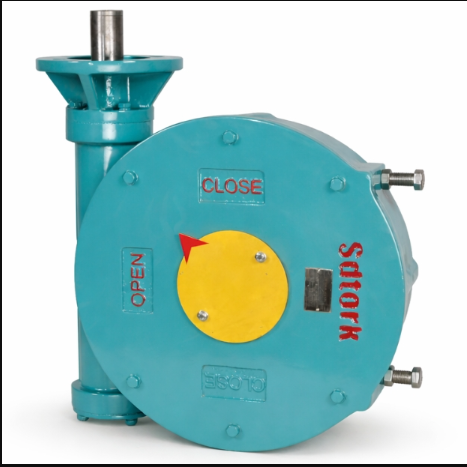
Electric actuators are available in several configurations, with each design serving different operational requirements. Quarter-turn actuators are commonly used where the driven component needs approximately a 90-degree rotation. They are frequently associated with butterfly and ball valve applications. Multi-turn actuators provide multiple rotations and can be used with valves that require several turns to move between open and closed positions.
Linear electric actuators produce straight-line movement and are used in machinery, automation equipment, healthcare equipment, furniture systems, and industrial positioning applications. Another category includes explosion-proof electric actuators designed for environments where specific hazardous-area requirements must be considered. Indian manufacturers such as Cair Euromatic list quarter-turn, multi-turn, linear, and explosion-proof electric actuator categories in their product range.
Major Electric Actuator Manufacturers in India
The Indian actuator industry includes both specialized companies and multinational organizations with manufacturing or operational facilities in the country. AUMA India, for example, describes itself as a manufacturer of electric actuators and valve gearboxes and serves sectors including water, oil and gas, power, and general industry. Its Indian operations are based in Bengaluru.
Cair Euromatic Automation is another company associated with electric actuator manufacturing in India. Its portfolio includes single-phase and three-phase electric actuators, along with quarter-turn, multi-turn, linear, and explosion-proof models. Other companies appearing in industry directories include suppliers and manufacturers such as Elger Controls, Belimo Actuators India, and various regional automation companies.
When researching electric actuator manufacturers in India, buyers should distinguish between companies that manufacture the complete actuator, companies that assemble or integrate systems, distributors, and suppliers representing international brands. This distinction can be important when evaluating technical support, customization, replacement parts, and after-sales service.
Applications Across Industrial Sectors
Electric actuators have applications across a wide range of industries. In water and wastewater treatment facilities, they can be used to automate valves controlling the movement of water through treatment and distribution systems. In power plants, actuators can support valve and damper automation. Oil and gas facilities may require specialized actuation systems for process control, while chemical plants often need equipment selected according to the characteristics of the operating environment.
HVAC systems can also use electrically controlled actuators for dampers and valves. Manufacturing plants employ actuators in automated production lines, packaging equipment, material-handling systems, and machine-control applications. The versatility of electric actuation means that manufacturers need to provide products with different torque, speed, stroke, enclosure, control, and power specifications.
Benefits of Electric Actuation
One of the primary benefits of electric actuation is controllability. An electric actuator can be integrated into an automated control system, allowing equipment movement to be managed according to programmed instructions. This can be particularly useful where repeated operation and consistent positioning are required.
Electric actuators can also provide clean operation because they do not require compressed air or hydraulic fluid as their primary source of actuation energy. Depending on the application, this may simplify installation and reduce the infrastructure required for operation. Modern designs can additionally include position feedback and electronic control features, helping operators monitor equipment status and integrate actuation with broader automation systems.
Factors to Consider When Selecting a Manufacturer
Choosing among electric actuator manufacturers in India requires more than comparing the initial product price. The first consideration should be the actuator’s torque or force requirement. Selecting an actuator with inadequate output can result in unreliable operation, while significantly oversizing the equipment may increase costs unnecessarily.
The operating environment is another important factor. Buyers should consider temperature, moisture, dust, corrosive substances, hazardous-area requirements, and the required enclosure protection. Power supply requirements should also be checked because industrial systems may use different voltage and phase configurations. For automated installations, compatibility with control panels, PLCs, feedback systems, and communication protocols can be equally important.
After-sales support should also be considered. Availability of spare parts, technical assistance, installation guidance, maintenance support, and response time can influence the long-term value of an actuator system. A manufacturer with suitable technical expertise and service capabilities can help reduce problems during installation and operation.
Importance of Product Quality and Testing
Industrial actuators often operate continuously or under demanding conditions, so product quality is an important consideration. Manufacturers may use different materials, motor designs, gear mechanisms, sealing systems, and electronic components depending on the intended application. Buyers should review relevant technical specifications and documentation before selecting a product.
Testing is also important because an actuator needs to perform reliably under its expected load and operating conditions. Depending on the application, specifications may include torque output, operating time, duty cycle, temperature range, enclosure protection, insulation characteristics, and permissible environmental conditions. Instead of selecting a product solely from a general catalog, industrial buyers should match the actuator specifications with the actual operating requirements.
Role of Customization in Industrial Automation
Not every industrial application can be served effectively by a standard actuator. Some installations require specific mounting arrangements, output configurations, control options, torque ratings, feedback devices, or environmental protection. This is where customization and engineering support can become valuable.
Several Indian actuator suppliers operate in specialized industrial markets, offering different configurations for valves, dampers, machinery, and automated equipment. Industry directories show a broad range of electric actuator products, including industrial valve actuators, linear systems, compact models, and modulating versions. Businesses with unusual operating conditions should therefore discuss their requirements with the manufacturer before finalizing a purchase.
Electric Actuators and Smart Automation
The development of industrial automation is increasing the importance of intelligent control. Modern actuator systems can incorporate sensors, feedback mechanisms, digital controls, and communication capabilities. These features can help operators monitor position and operating status while allowing actuators to become part of larger automated control networks.
Smart actuation can be especially useful in large industrial installations where numerous valves or dampers need to be monitored and controlled. Instead of relying entirely on manual inspection, connected systems can provide information to centralized control platforms. This supports more organized operation and can assist maintenance teams in identifying potential issues.
Choosing the Right Supplier in India
When comparing electric actuator manufacturers in India, organizations should create a technical checklist before contacting suppliers. The checklist can include actuator type, torque or thrust, operating speed, duty cycle, power supply, environmental conditions, mounting arrangement, control method, feedback requirements, and applicable industry standards.
It is also useful to evaluate the supplier’s experience with the specific application. A manufacturer experienced in water treatment may have different strengths from a company focused on HVAC, process valves, machinery, or specialized automation. Comparing technical documentation, service capabilities, warranty terms, spare-part availability, and customization options can help buyers make a more informed procurement decision.
Future of Electric Actuator Technology in India
The continued adoption of automation is likely to maintain demand for reliable electric motion-control systems. Industries are increasingly looking for equipment that can operate efficiently while integrating with digital control platforms. This creates opportunities for actuator manufacturers to develop products with improved control, compact designs, enhanced feedback, energy-conscious operation, and greater connectivity.
Indian manufacturers and suppliers are also positioned within a broader industrial ecosystem that includes valve automation, robotics, process control, machinery, and smart manufacturing. As factories and infrastructure projects become more automated, electric actuators can remain an important link between electronic control systems and physical industrial equipment.
Conclusion
Electric actuators play an important role in industrial automation by transforming electrical energy into controlled rotary or linear movement. Their applications extend across water treatment, power, manufacturing, HVAC, process industries, oil and gas, chemical processing, and automated machinery. India’s market includes specialized domestic manufacturers, international companies with Indian operations, and regional suppliers offering a broad selection of products.
When evaluating electric actuator manufacturers in India, buyers should look beyond price and consider technical specifications, application suitability, product quality, customization, service support, spare-parts availability, and long-term reliability. Selecting an actuator that matches the actual operating conditions can support efficient automation and dependable equipment performance. With continued development in industrial automation and smart control technologies, electric actuators are expected to remain an important component of India’s evolving industrial landscape.