
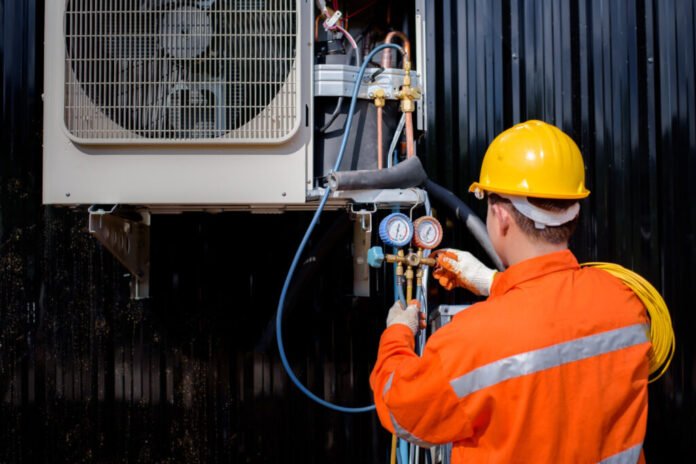
Every homeowner eventually faces the same high-stakes dilemma: Should you keep patching up an aging HVAC system, or is it finally time to invest in a brand-new unit? This decision is rarely simple, as it involves balancing immediate repair costs against long-term energy savings and home comfort. In a climate where humidity and temperature swings are the norm, your heating and cooling system is the most hardworking mechanical component of your property. Making the right choice requires a clear understanding of your system’s current health, its efficiency ratings, and the potential Return on Investment (ROI) of a modern upgrade.
When a major component fails, the initial instinct is often to choose the cheapest fix to restore comfort quickly. However, if your system is more than a decade old and requires frequent service calls, those smaller bills quickly aggregate into a significant financial drain. For homeowners navigating these recurring mechanical failures, exploring a professional heat pump replacement in Memphis, TN can provide a permanent solution that stabilizes monthly utility expenses. Modern systems are designed with much higher Seasonal Energy Efficiency Ratio (SEER2) ratings, meaning they provide superior climate control while consuming a fraction of the electricity used by older models.
Evaluating the “Rule of 5,000”
A common industry standard used by technicians to help homeowners decide between repair and replacement is the “Rule of 5,000.” To apply this, you multiply the age of the unit by the estimated cost of the repair. If the total exceeds $5,000, a replacement is generally the more mathematically sound investment. For instance, a 12-year-old unit requiring a $500 repair equals $6,000, suggesting that your money is better spent on new equipment.
Frequency of Breakdowns
Reliability is a major factor in the decision-making process. If you find yourself calling a technician more than twice in a single season, your system is likely reaching the end of its functional lifespan. Beyond the financial cost, the stress of a system failing during a heatwave or a cold snap is a significant burden. Newer technology offers specialized diagnostics and more robust internal components that significantly reduce the likelihood of emergency failures.
Energy Efficiency and Environmental Impact
Older HVAC units, particularly those manufactured before 2010, often rely on R-22 refrigerant, which has been phased out due to environmental regulations. Transitioning to a heat pump replacement in Memphis, TN ensures your home is using modern, eco-friendly refrigerants like R-410A or R-454B. These newer fluids are more efficient at heat transfer, allowing your system to cool and heat your home with much less mechanical strain. Furthermore, high-efficiency units qualify for various federal tax credits and local utility rebates, which can offset a substantial portion of the initial installation cost.
Indicators That It’s Time for a New System
While some signs of failure are obvious, such as a compressor that won’t turn on, other indicators are more subtle. Homeowners should look for “symptoms” of an inefficient system that might suggest internal components are degrading. If you notice any of the following, it is likely time to consult with a specialist:
- Rising Energy Bills:If your electricity usage is climbing despite your habits staying the same, the system is losing its efficiency.
- Excessive Noise:Grinding, squealing, or banging sounds often indicate a failing motor or a compromised blower assembly.
- Humidity Issues:A properly functioning AC or heat pump should manage indoor moisture; if your air feels “heavy” or “sticky,” the system is failing its primary job.
- Uneven Temperatures:Rooms that are significantly warmer or cooler than the rest of the house suggest the ductwork or the unit can no longer maintain proper static pressure.
The Benefit of Modern Heat Pump Technology
Heat pumps have become an increasingly popular choice for Southern climates because they provide both heating and cooling in a single, streamlined package. Unlike traditional furnaces that create heat by burning fuel, heat pumps simply move heat from one place to another. In the summer, they move heat out of your home; in the winter, they extract heat from the outdoor air and move it inside. This process is incredibly efficient and can lead to a 30% to 50% reduction in heating costs during the milder winter months.
Conclusion
Deciding between repairing or replacing your HVAC system is a major financial milestone for any homeowner. While a repair might offer a temporary reprieve, a total system replacement often provides better long-term value through increased efficiency, improved air quality, and the peace of mind that comes with a manufacturer’s warranty. By weighing the age of your unit against its performance and repair history, you can make an informed choice that keeps your family comfortable for years to come.