
Introduction
Modern industrial facilities depend on reliable flow-control systems to move and manage liquids, gases, steam, chemicals, and other process media. Manual valve operation can become challenging when a facility contains hundreds of valves, remote equipment, high-pressure pipelines, or processes requiring frequent adjustments. Valve Automation Solutions provide a practical approach to improving valve operation by combining valves with actuators, control devices, sensors, and automation systems. These solutions allow valves to be operated locally, remotely, or automatically according to specific process requirements.
Automation can also improve the coordination between valves and other industrial equipment. Pumps, compressors, sensors, controllers, and safety systems can work together through an integrated control architecture. Depending on the application, an automated valve can perform a simple open-and-close function or provide continuous modulation for accurate flow control. Understanding the main components, technologies, applications, benefits, and selection factors associated with valve automation can help industries develop more reliable and efficient process-control systems.
What Are Valve Automation Solutions?
Valve Automation Solutions refer to systems and technologies used to operate industrial valves automatically instead of relying entirely on manual intervention. An automated valve system generally combines a valve with an actuator and appropriate control equipment. The actuator supplies the mechanical movement needed to open, close, or position the valve, while control components determine when and how that movement occurs.
Different actuation technologies can be used depending on the application. Electric, pneumatic, and hydraulic actuators are among the most common options. Sensors, solenoid valves, positioners, limit switches, controllers, and communication interfaces can be added to provide monitoring and advanced control. The final configuration depends on factors such as valve type, process conditions, operating frequency, available utilities, required accuracy, and safety requirements.
Main Components of an Automated Valve System
An automated valve system consists of several interconnected components. The valve itself controls the movement of process media, while the actuator provides the force required to move the valve. The actuator can be powered by electricity, compressed air, or hydraulic pressure.
Control devices provide signals that determine when the actuator should operate. Sensors may monitor pressure, temperature, flow, or valve position, while programmable logic controllers or distributed control systems can process these signals and issue commands. Position feedback allows operators to confirm whether a valve has reached its intended position. Together, these components create a coordinated system capable of controlling process flow with limited manual intervention.
Types of Valve Actuation
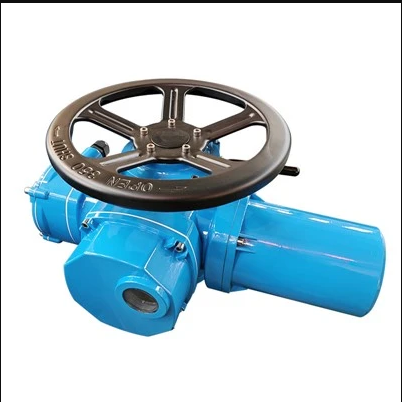
Electric, pneumatic, and hydraulic actuation technologies each have specific characteristics. Electric actuators use motors and gearing mechanisms to generate valve movement. They can be useful where electrical power is readily available and integration with electronic control systems is required.
Pneumatic actuators use compressed air to create mechanical movement and are commonly used where rapid operation and fail-safe configurations are important. Hydraulic actuators use pressurized fluid to produce high levels of force and can be suitable for demanding applications involving large valves or high operating loads.
Selecting the correct actuator depends on the valve design, required torque or thrust, operating environment, speed requirements, available utilities, and control strategy. Proper matching between the valve and actuator is essential for dependable operation.
Importance of Automated Flow Control
Flow control is central to many industrial processes. Inaccurate or inconsistent flow can affect product quality, energy consumption, equipment performance, and overall process stability. Automated valves allow operators and control systems to regulate flow according to changing process conditions.
For example, a control system can adjust valve position when a sensor detects a change in pressure or flow rate. This allows the process to respond dynamically rather than depending on manual adjustments. In large facilities, coordinated valve operation can also help maintain balanced conditions across multiple production areas. Automated control can therefore support consistent process performance while reducing the workload associated with routine valve adjustments.
Applications Across Industrial Sectors
Valve Automation Solutions are used across a wide variety of industries. Water and wastewater treatment facilities use automated valves to manage filtration, pumping, chemical dosing, and distribution processes. Power generation facilities can use them in cooling systems, steam-related applications, fuel systems, and auxiliary equipment.
Chemical and petrochemical facilities often require automated flow control for process fluids and gases. Manufacturing plants can integrate automated valves into production lines, utility systems, cooling circuits, and compressed-air networks. Food and beverage facilities may use automated valves for hygienic processing, cleaning systems, and liquid handling. Pharmaceutical manufacturing can also require precise valve control for specialized production processes. Each industry can configure automation according to its particular process and operating requirements.
Benefits of Valve Automation
One of the primary advantages of automation is reduced dependence on manual valve operation. Operators can control valves from centralized locations, which is particularly useful when equipment is distributed across large facilities or installed in difficult-to-access areas.
Automation can also provide repeatable operation. Once a control sequence has been established, valves can respond consistently to defined signals. This can reduce variations associated with manual operation and help coordinate multiple pieces of equipment.
Another benefit is improved process visibility. Position sensors and monitoring systems can provide information about valve status, allowing operators to identify whether a valve is open, closed, or positioned at a particular point. These capabilities can support more organized plant operation and maintenance.
Improving Industrial Safety
Safety is an important consideration in industrial valve automation. Some processes require valves to move to predetermined positions when power, air pressure, or control signals are lost. Automated systems can be configured to support appropriate fail-safe behavior depending on process requirements.
Remote operation can also reduce the need for personnel to approach hazardous equipment or enter difficult operating areas simply to adjust a valve. However, automation does not replace proper safety procedures. Emergency shutdown systems, isolation procedures, control-system safeguards, and equipment-specific risk assessments remain important.
The appropriate safety configuration depends on the process and facility. Engineers should evaluate potential failure scenarios when determining actuator type, valve position, backup systems, and control architecture.
Role of Sensors and Feedback
Sensors and feedback devices are important parts of advanced automated valve systems. A simple actuator may only receive a command to open or close, while more sophisticated systems can provide continuous information about valve position and operating conditions.
Position feedback allows control systems to verify that a valve has responded correctly. Additional sensors can monitor pressure, temperature, flow, or other process variables. When this information is integrated into a control system, operators can make more informed decisions and automation sequences can respond to changing conditions.
Feedback can also support maintenance by identifying unusual valve behavior. If a valve consistently takes longer than expected to reach its position, for example, the condition may indicate mechanical resistance, actuator issues, or another developing problem.
Electric Valve Automation
Electric actuation is widely used in industrial systems where electrical power and electronic control infrastructure are available. Electric actuators can provide controlled rotary or linear movement and can be configured for on-off or modulating operation.
They can also integrate with programmable controllers and industrial communication networks. Depending on the design, features may include position feedback, torque monitoring, local controls, diagnostics, and programmable settings.
Electric systems can be particularly useful where accurate electronic control and monitoring are important. Proper sizing requires consideration of valve torque, operating frequency, voltage, environmental conditions, and required movement speed.
Pneumatic Valve Automation
Pneumatic actuation uses compressed air to operate valves. It is widely used in industrial environments because pneumatic systems can provide rapid movement and can support spring-return configurations for defined fail positions.
Pneumatic systems require an appropriate compressed-air supply, including suitable pressure and air quality. Filters, regulators, solenoid valves, tubing, and other components form part of the overall system. Regular inspection is important because air leaks or contaminated air can affect actuator performance.
Pneumatic automation can be especially useful in facilities where compressed-air infrastructure is already established. It can provide reliable operation when correctly designed, installed, and maintained.
Hydraulic Valve Automation
Hydraulic actuators use pressurized fluid to generate mechanical force. They can be considered for applications requiring substantial torque or thrust, particularly where large or heavily loaded valves need to be operated.
Hydraulic systems can deliver high force in a relatively compact arrangement, making them useful for certain heavy-duty industrial applications. However, they require appropriate hydraulic power units, fluid management, piping, and maintenance procedures.
The selection of hydraulic actuation depends on the valve size, required force, operating speed, available infrastructure, and environmental conditions. Like other actuation technologies, proper engineering and sizing are essential for dependable performance.
Automation and Industrial Control Systems
Modern factories often use programmable logic controllers, distributed control systems, supervisory control platforms, and industrial networks to manage processes. Automated valves can become integrated components within these systems.
A controller can receive information from sensors, process the data, and send commands to actuators. This allows valves to respond automatically to changes in flow, pressure, temperature, or production requirements. Communication interfaces can also allow operators to monitor valve status from centralized control rooms.
Integration can make large systems easier to manage because multiple valves and process components can be coordinated through defined control sequences. Proper system architecture and cybersecurity practices are important when automated equipment is connected to industrial networks.
Selecting the Right Automation Solution
Choosing an appropriate automation solution requires a detailed evaluation of the application. Engineers should consider the valve type, size, required torque or thrust, operating pressure, temperature, process medium, and frequency of operation.
The available energy source is another important consideration. Facilities should determine whether electrical power, compressed air, or hydraulic power is most suitable. Environmental conditions such as moisture, dust, chemicals, temperature extremes, and installation location can influence equipment selection.
Control requirements should also be established. Some applications only need basic open-and-close operation, while others require precise modulating control and continuous position feedback. Considering these factors together helps ensure that the actuator and control equipment are properly matched to the valve.
Maintenance of Automated Valve Systems
Regular maintenance helps preserve the performance of automated valve systems. Inspections can include actuator condition, electrical connections, air or hydraulic lines, valve movement, mounting hardware, seals, and feedback devices.
For pneumatic systems, air quality and leakage should be monitored. Electric systems may require inspection of wiring, enclosures, motor components, and control electronics. Hydraulic systems require attention to fluid condition, pressure, hoses, fittings, and potential leaks.
Maintenance teams can also review operating data to identify changes in valve performance. Unusual operating times, repeated overload conditions, inconsistent positioning, or excessive actuator cycling may indicate a developing problem. Preventive maintenance can help address such issues before they cause significant process interruptions.
Energy Efficiency and Operating Costs
Automation can influence energy consumption by allowing valves to operate according to actual process requirements. Instead of leaving valves in fixed positions regardless of changing conditions, control systems can adjust them dynamically.
However, efficient operation depends on proper system design. Oversized actuators, excessive compressed-air pressure, hydraulic losses, and inefficient control strategies can increase energy consumption. Correct equipment sizing and regular maintenance can help reduce unnecessary energy use.
Businesses should consider both initial equipment costs and long-term operating requirements when evaluating automation projects. A solution that provides appropriate control while minimizing maintenance and energy demands can support better lifecycle management.
Future Trends in Valve Automation
Industrial valve technology is increasingly connected to digital monitoring and smart automation. Modern systems can incorporate advanced diagnostics, communication capabilities, position monitoring, and condition-based maintenance features.
Data from automated valves can be combined with information from other process equipment to provide a broader view of plant performance. This can help maintenance teams identify trends and schedule inspections based on actual operating conditions rather than relying exclusively on fixed intervals.
As industrial facilities adopt more connected technologies, Valve Automation Solutions are likely to become increasingly integrated with digital control platforms. Improvements in actuator electronics, sensors, communication systems, and diagnostic software can further expand the capabilities of automated flow-control equipment.
Conclusion
Valve Automation Solutions provide industries with flexible methods for controlling valves accurately, consistently, and remotely. By combining suitable valves with electric, pneumatic, or hydraulic actuators, sensors, feedback devices, and industrial control systems, facilities can automate important flow-control processes and reduce dependence on manual operation.
Successful automation requires careful consideration of valve characteristics, process conditions, actuator requirements, safety objectives, control architecture, environmental conditions, and maintenance needs. When these factors are evaluated together, automated valve systems can support reliable process management across many industries. As industrial operations continue to adopt digital monitoring and advanced automation, valve-control technology will remain an important part of efficient and responsive process systems.