
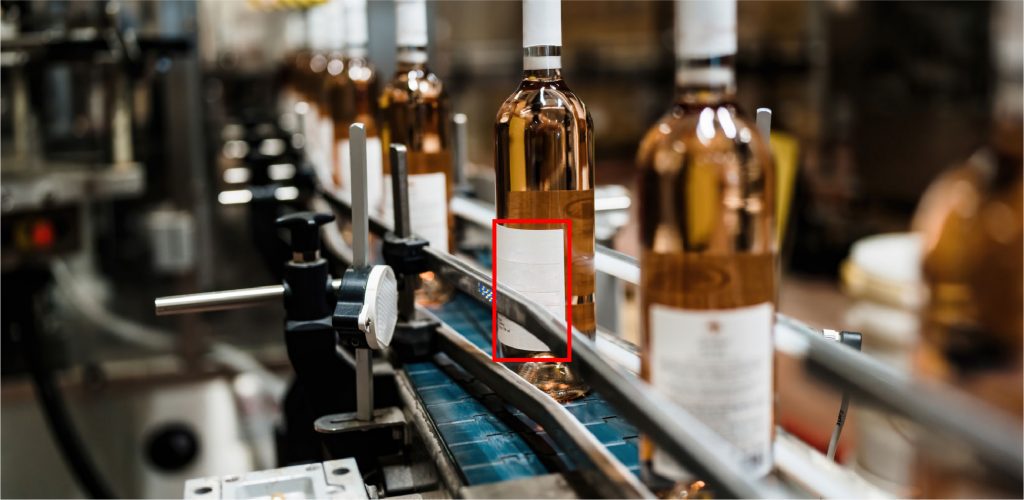
A modern bottle inspection system is no longer limited to spotting visible cracks. It now verifies cap placement, fill accuracy, and label integrity in real time, directly on high-speed production lines. For FMCG and beverage manufacturers, this shift from manual sampling to AI-driven validation is what prevents recalls before they happen.
This article explains how a bottle inspection system works across three critical checkpoints: cap inspection, fill-level verification, and label analysis.
Why Bottle Inspection Systems Matter in High-Speed Lines
Production speeds often exceed hundreds of units per minute. At that pace, even a 0.5% defect rate can translate into thousands of compromised bottles per shift. A bottle inspection system ensures that quality checks are embedded directly into the line rather than performed at the end.
Unlike manual checks, an AI-powered inspection system evaluates every unit. This is especially important in automated bottle inspection environments where consistency determines brand reliability.
Cap Inspection: Preventing Leaks and Tampering
Cap issues are among the most common causes of product rejection. A bottle inspection system analyzes cap alignment, tamper band integrity, torque placement, and surface damage within milliseconds.
Using industrial computer vision for manufacturing, cameras capture multi-angle views of each bottle. Deep learning models then compare live images against trained defect patterns. If the cap is tilted, loosely seated, or missing a safety band, the system flags it immediately.
When we previously discussed real-time validation on production lines, the emphasis was on stopping errors at the source. Cap inspection does exactly that. It prevents downstream packaging waste and eliminates leakage risks during transit.
Fill-Level Verification: Accuracy Beyond the Human Eye
Underfilled bottles lead to compliance violations. Overfilled bottles increase raw material costs. A bottle inspection system measures liquid levels using calibrated vision models that account for foam, transparency, and reflection.
Unlike traditional sensors, image analysis evaluates the visible meniscus and container geometry. This method improves detection accuracy even in carbonated or opaque liquids.
An advanced automated bottle inspection setup integrates fill-level inspection with rejection mechanisms. If a deviation crosses a defined threshold, the bottle is removed instantly without slowing the conveyor.
Label Checks: Compliance and Brand Protection
Incorrect labeling can create legal complications, especially in regulated industries. A bottle inspection system verifies barcode readability, date codes, print clarity, and label placement.
Using optical character recognition combined with AI vision, the system detects smudges, skewed placement, and missing information. This supports traceability and ensures alignment with regulatory guidelines.
As discussed earlier in cap inspection, real-time rejection avoids compounding errors. The same principle applies here. Catching labeling mistakes early protects both distribution timelines and brand reputation.
How Artificial Intelligence in Manufacturing Enhances Inspection
Artificial intelligence in manufacturing enables systems to adapt over time. Instead of rigid rule-based detection, AI models improve with more production data.
This is where computer vision for manufacturing becomes scalable. It learns variations across bottle types, lighting conditions, and packaging changes. A bottle inspection system equipped with adaptive AI reduces false positives while maintaining strict defect thresholds.
Industrial AI inspection solutions also integrate with MES and ERP systems, creating production-level traceability. This adds operational visibility beyond quality control.
Deployment Considerations for Bottle Inspection Systems
Selecting a bottle inspection system requires evaluation of line speed, bottle material, defect types, and environmental factors. High-gloss surfaces, condensation, and vibration can impact image clarity.
A production-grade system compensates through lighting calibration, edge computing, and model optimization. This ensures stable performance without dependency on cloud latency.
Because artificial intelligence in manufacturing environments must operate continuously, uptime and maintenance design are equally critical.
Final Thoughts
A bottle inspection system today performs far more than a visual check. It verifies caps to prevent leakage, confirms fill levels for compliance, and validates labels for regulatory accuracy.
When implemented with artificial intelligence in manufacturing, inspection becomes predictive rather than reactive. Companies that invest in computer vision for manufacturing gain more than defect reduction; they achieve built-in quality control at scale.
If production integrity is the goal, then automated bottle inspection is not optional. It is the foundation of reliable, data-driven manufacturing.