
Introduction: Why a 4×4 Adventure Is Unlike Any Other Trip
Some journeys are about the destination. A 4×4 adventure is about the road itself: the river crossing that makes your pulse quicken, the dusty track that ends at a viewpoint no tour bus will ever reach, the campfire you built because you were the only people for miles.
Off-road travel has grown in popularity worldwide, from desert dunes and alpine passes to rainforest tracks and savanna game drives. The appeal is simple. A capable four-wheel-drive vehicle gives you freedom, access and a sense of self-reliance that few other holidays can match.
This guide covers everything you need to plan a safe, enjoyable 4×4 adventure: choosing the right vehicle, preparing it, packing smart, driving well on difficult terrain and traveling responsibly.
What Makes a 4×4 Adventure Different?
A normal road trip follows tarmac and signposts. A 4×4 adventure follows terrain. That changes how you plan in several ways:
- Routes are slower. Rough tracks mean lower average speeds, so distances on a map can be misleading.
- Conditions change quickly. Rain, sand, mud, snow or a washed-out bridge can alter your plan overnight.
- Self-reliance matters. Help may be hours away, so your preparation is your safety net.
- The reward is higher. You reach places that remain wild, quiet and beautifully untouched.
Understanding this mindset early prevents most beginner mistakes.
Choosing the Right 4x4Adventur
The best vehicle depends on where you are going, how many people are traveling and how much gear you carry.
| Vehicle type | Best for | Strengths | Limitations |
| Compact 4×4 / small SUV | Light trails, gravel roads | Economical, easy to drive | Limited clearance and luggage space |
| Mid-size 4×4 SUV | Families, mixed terrain | Comfortable and capable | Less rugged than full-size models |
| Full-size 4×4 (Land Cruiser type) | Remote, rough routes | Durable, spacious, reliable | Higher fuel use and cost |
| Double-cab pickup | Camping and heavy loads | Strong payload, practical | Rougher ride when empty |
| Overland camper setup | Multi-week expeditions | Self-contained living | Expensive and heavier to handle |
When comparing options, look at ground clearance, approach and departure angles, tyre type, low-range gearing, fuel range and availability of spare parts in the region you plan to visit.
Buy, Own or Rent?
Not everyone needs to own a built-up expedition vehicle. Renting is often the smartest choice for a single trip, particularly abroad. A good rental company supplies a maintained vehicle, local knowledge and sometimes camping equipment, which removes the cost of shipping or modifying your own truck.
If you plan frequent trips, ownership allows customization such as suspension upgrades, roof racks, auxiliary fuel tanks and recovery gear. Whichever you choose, understand the vehicle’s limits before you rely on it in a remote country.
Planning Your Route
Good planning separates a memorable adventure from a stressful one.
- Define your goal. Decide whether you want scenery, wildlife, technical driving, culture or simple relaxation.
- Research the terrain. Look at satellite imagery, recent traveler reports and local advice for current track conditions.
- Choose the season carefully. Many routes are only passable in dry months, while others are best in cooler seasons.
- Build in buffer days. Weather delays and mechanical issues are normal, so never schedule every day to the limit.
- Plan fuel and water stops. Know the longest stretch without supplies and carry enough to cover it with a margin.
- Check permits and regulations. Parks, reserves and border areas often require permits, entry fees or specific vehicle documentation.
- Share your itinerary. Tell someone reliable where you are going and when you expect to check in.
Essential Gear Checklist
You do not need to buy every accessory on the market, but certain items are genuinely important.
Recovery equipment
- Recovery tracks or boards for sand and mud
- Tow strap or kinetic recovery rope with rated shackles
- Shovel and gloves
- Tyre deflator and compressor to adjust pressures
- Puncture repair kit plus a full-size spare tyre
Vehicle basics
- Jack suited to soft ground, with a base plate
- Basic toolkit, spare fuses, hoses and fluids
- Spare fuel and extra water containers
- Fire extinguisher
Navigation and communication
- Offline maps and a dedicated GPS device
- Paper map as a backup
- Satellite communicator or satellite phone for remote areas
- Power bank and vehicle charging adapters
Personal and camp gear
- First-aid kit and any personal medication
- Water purification options
- Sleeping gear, cooking equipment and food reserves
- Headlamps, sun protection and weather-appropriate clothing
Pack heavy items low and centered, secure everything tightly and keep recovery gear easy to reach rather than buried under luggage.
Core Off-Road Driving Skills
A capable vehicle helps, but technique matters more. These fundamentals apply almost everywhere.
Look ahead and choose your line. Scan the track early, pick the smoothest path and avoid sudden steering inputs.
Use the right gear and drive mode. Select low range for steep descents, deep mud or technical climbs, and use high range for easier tracks and sand.
Keep momentum smooth. In sand and mud, steady throttle is better than aggressive acceleration or hard braking.
Adjust tyre pressure. Lower pressures spread the vehicle’s weight and improve grip on sand and corrugations. Remember to reinflate before returning to tarmac.
Take water crossings seriously. Walk the crossing first if it is safe to do so, check depth, current and the riverbed, and enter slowly at a steady pace. If you are unsure, do not cross.
Manage steep slopes. Climb and descend straight rather than diagonally, avoid stopping mid-slope and let engine braking control descents.
Know when to turn back. The best off-road drivers are not the most daring ones. They are the ones who recognize when a route exceeds their experience or their vehicle’s limits.
Safety First: Reducing Risk in Remote Places
Most serious incidents on 4×4 trips come from preventable causes. Keep these habits at the top of your list:
- Travel with another vehicle on remote routes whenever possible.
- Service your vehicle before departure, including tyres, brakes, suspension, fluids and battery.
- Avoid driving at night on unfamiliar tracks, where hazards are far harder to spot.
- Carry more water than you think you need. It is the most critical supply in hot or isolated regions.
- Do not overload the vehicle. Excess weight stresses suspension, tyres and brakes.
- Check weather forecasts daily. Flash floods, storms and snow can change conditions rapidly.
- Stay with your vehicle if you become stranded, as it is easier for rescuers to spot and offer shelter.
Travel Responsibly: Leave No Trace
Adventure travel depends on healthy landscapes and welcoming communities. Protect both.
- Stay on established tracks to prevent erosion and damage to vegetation.
- Pack out all rubbish, including food waste.
- Camp in designated or previously used sites where possible.
- Respect wildlife by keeping a safe distance and never feeding animals.
- Greet local communities politely, ask before photographing people and support local businesses.
- Follow all park rules, closures and seasonal restrictions.
Popular Types of 4x4Adventur
Safari and wildlife routes. Savanna parks and reserves reward high-clearance vehicles, often with roof hatches for viewing and photography.
Desert and dune crossings. These demand tyre pressure management, recovery gear and careful navigation.
Mountain passes and alpine tracks. Expect steep gradients, loose surfaces and dramatic weather swings.
Rainforest and highland trails. Mud, rain and steep climbs make traction and patience essential.
Overlanding expeditions. Multi-week journeys across regions or borders, combining camping, driving and cultural exploration.
Budgeting for a 4×4 Adventure
Costs vary widely, so plan beyond the vehicle itself. Consider rental or ownership costs, fuel, insurance with off-road coverage where available, permits and park fees, accommodation or campsite fees, food and supplies, recovery gear, and a contingency fund for repairs or delays. Always read insurance terms carefully, because many standard policies exclude certain off-road activities.
Conclusion
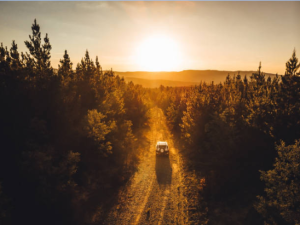
A 4×4 adventure is one of the most rewarding ways to travel because it blends freedom, challenge and discovery in a single journey. The formula for success is not complicated: choose a vehicle that fits your route, prepare it properly, pack recovery and safety gear, learn the fundamentals of off-road driving and respect both the landscape and your own limits.
Whether you rent a vehicle for a week-long safari or build your own rig for an extended overland expedition, careful preparation turns uncertainty into confidence. Start with achievable routes, build experience gradually and always prioritize safety over ambition. The best adventures are the ones you finish with great stories, a safe vehicle and a plan for the next trip.
Key Takeaways
- A 4×4 adventure rewards preparation, patience and self-reliance more than raw vehicle power.
- Match your vehicle to the terrain, group size and amount of gear.
- Renting can be the smartest option for a one-off or international trip.
- Plan fuel, water, permits and buffer days before you leave.
- Carry recovery gear, a spare tyre, navigation backups and a communication device.
- Smooth driving, correct tyre pressure and good route judgment prevent most problems.
- Avoid night driving, travel in convoy where possible and know when to turn back.
- Leave no trace and respect local communities and wildlife.
Frequently Asked Questions (FAQ)
What is a 4×4 adventure?
It is a journey made in a four-wheel-drive vehicle, usually on unpaved, rough or remote terrain such as gravel tracks, sand, mud, mountain trails or wildlife parks.
Do I need experience to start 4×4 adventures?
No, but you should begin with easier routes and build skills gradually. A beginner course or a guided trip is an excellent way to learn safely.
What is the best vehicle for a 4×4 adventure?
It depends on the terrain. Mid-size SUVs suit mixed routes, while full-size 4x4s and double-cab pickups are better for rough, remote or heavily loaded trips.
Is it better to rent or buy a 4×4?
Renting suits occasional or overseas trips. Buying makes sense if you travel often and want to customize the vehicle for your preferred style of adventure.
What equipment is essential?
At minimum: a full-size spare tyre, recovery tracks or a strap, a shovel, a compressor, a first-aid kit, extra water and fuel, offline navigation and a way to call for help.
How much tyre pressure should I use off-road?
It depends on the vehicle, load and surface. Reducing pressure can improve grip on sand and corrugations, but follow your vehicle manufacturer’s and a trained instructor’s guidance, and reinflate for sealed roads.
Is it safe to drive 4×4 routes alone?
It carries more risk. Travel with a second vehicle in remote areas, carry satellite communication and share your itinerary with someone.
When is the best time for a 4×4 adventure?
Generally in the dry or cooler season of your destination, when tracks are firmer and weather is more predictable. Research local conditions before you go.
Does standard car insurance cover off-road driving?
Often not fully. Check your policy or rental agreement for off-road exclusions and consider additional cover where needed.
How do I make my adventure environmentally responsible?
Stay on established tracks, pack out all waste, respect wildlife, follow park rules and support local communities.